
Cut-to-Length LED Profiles: What Buyers Should Specify
Prepare an LED profile cut-length inquiry with piece counts, cover lengths, finish, packaging and approval requirements for your project.
On This Page
For cut-to-length LED profiles, the most useful inquiry is a clear list of finished pieces, not only the total number of meters. Define the length, quantity, finish and matching components for each line item. Then agree on the inspection and approval requirements before the order is finalized.
Start by choosing the right LED light strip aluminum channel for your strip and mounting.
Build a Piece Schedule
List each required finished length and the quantity for that length. Separate profiles with different finishes, sections or processing requirements. Give each line a reference that your purchasing and installation teams can both recognize.
| Inquiry item | What to specify |
|---|---|
| Profile | Section reference or drawing |
| Finished pieces | Length, quantity and unit for each line |
| Cover | Selected cover, lengths and quantities |
| Ends and fittings | End caps, fixing parts and cable-entry requirements |
| Finish | Required finish and approved reference |
| Delivery | Destination, packaging and identification needs |
Show whether the measurement is for the profile alone or for an assembled length that includes end caps. A drawing can identify the measuring points and avoid assumptions about the finished assembly.
Confirm Lengths for Each Component
Profiles, diffusers and other components should not automatically be assumed to have identical finished lengths. The assembly arrangement and fitting method determine what your team needs to check. Discuss component lengths and end conditions with the supplier before approving the order.
NIUYUAN’s confirmed standard profile supply lengths are 1 m, 2 m, 2.5 m and 3 m, and custom lengths can be discussed. Availability and processing for a particular section and order require confirmation. A standard supply length is not a claim that every component has the same options.
Discuss Cut Ends and Processing
Tell the supplier which ends remain visible and whether the pieces need further agreed processing. If a project includes angled cuts, holes or other features, provide a drawing and identify their location and orientation. Do not assume that a photograph is sufficient to define machining.
Ask how the finished length is measured and what acceptance criteria will be used. Any tolerance or edge requirement must be agreed for the order; do not substitute a generic value without confirmation.
Match the Finish and Assembly
Specify the intended finish and any approved color reference. Discuss how the finish should relate to end caps and other visible components. If both cutting and finishing are required, ask the supplier to confirm the proposed sequence and the appearance expected at exposed cut ends.
Review a representative sample where the end condition, cover fit or finished appearance matters. Record the approved section, finish and drawing revision so the production order can be checked against the same requirements.
Plan Packaging and Identification
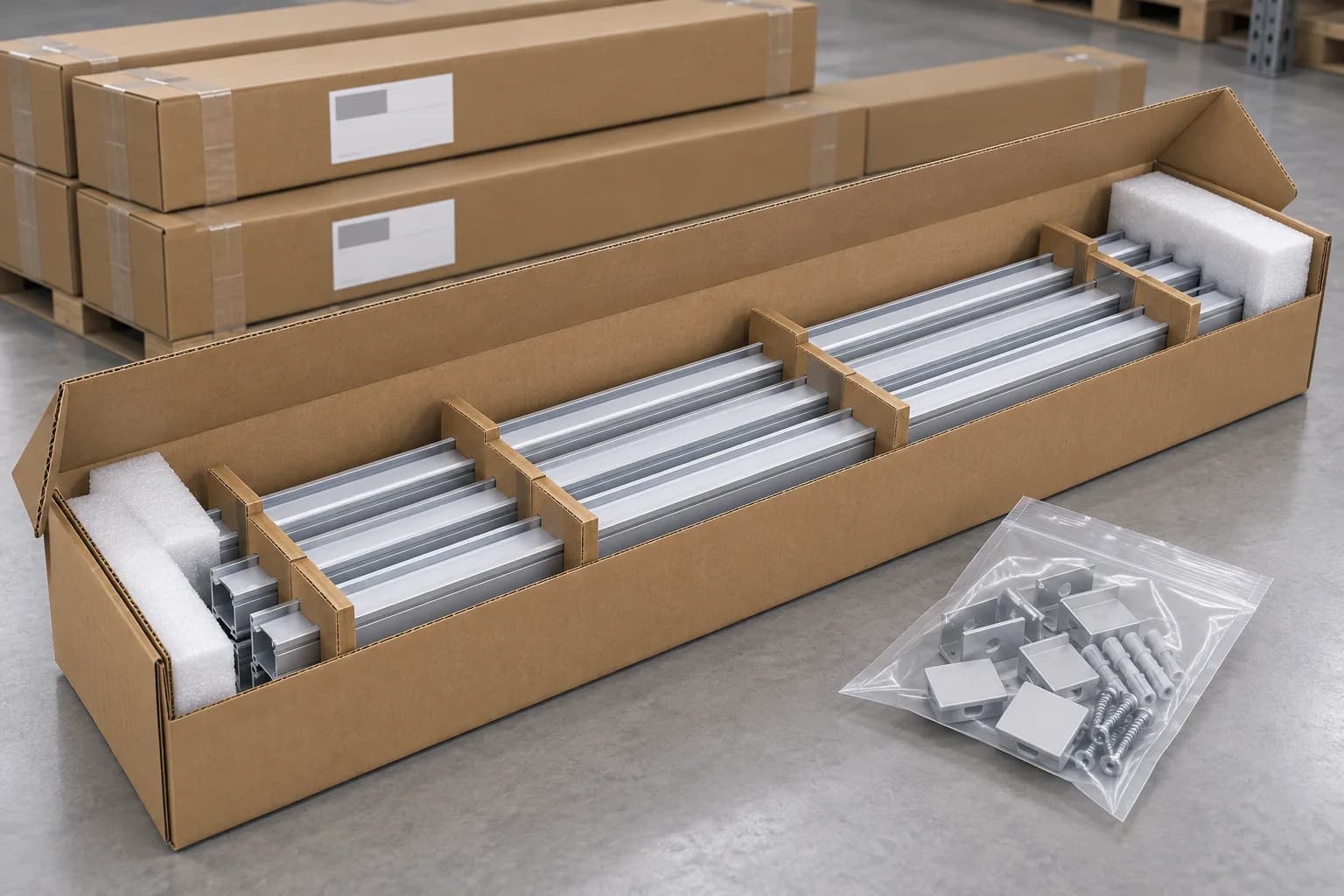
Different lengths can be difficult to distinguish on a busy site. Ask whether packages can identify the relevant line item, length and quantity. Agree on protection for visible surfaces and cut ends, and identify any special handling requirements before quotation.
For several destination areas or installation phases, provide a packing schedule that matches your piece schedule. This helps the supplier understand the requested scope without assuming that a particular packaging method is included.
Before You Approve the Order
Review the quotation against your schedule: section, finished lengths, quantities, finish, cover, end caps, machining, packaging and destination. Identify exclusions and any unresolved details. For a broader purchasing review, see our bulk quality and packaging checklist.
Send your piece schedule or drawing through contact NIUYUAN. The team can review the requirements and confirm the scope for your order.
Define the Measurement Before Sending the List
A useful length schedule starts with a shared definition of the finished piece. Identify the unit, the points between which the measurement is taken and whether the measurement applies before or after a particular operation. When an end cap is part of the finished detail, mark whether it is included in the overall dimension.
Use a simple drawing for lengths that cannot be explained clearly in a table. If pieces have different end treatments, identify each end and give the drawing a revision. A label such as “left” or “right” should refer to a defined view; otherwise the meaning can change when an installer turns the piece around.
For projects with several spaces, group the schedule by area or installation phase. Give every line an identifier and repeat that identifier on the drawing. This helps the buyer, supplier and installer discuss the same piece without relying on a verbal description.
Separate Preliminary and Approved Dimensions
Architectural dimensions may change as the surrounding work develops. If your schedule is based on an unfinished site measurement, tell the supplier which figures are preliminary. Ask when final information is needed for quotation, sampling and production, and agree who is responsible for issuing the approved revision.
Do not hide a missing dimension inside an estimated total. List it as an open item. A supplier can then explain how that uncertainty affects the proposed scope or timing. When the dimension is resolved, issue an updated schedule rather than relying on a change communicated separately to one person.
If several suppliers participate in the lighting assembly, ensure that the agreed dimensions are passed to each relevant party. The profile supplier, electrical supplier and installer may need different details, but their work should refer to the same current layout. A clear revision history reduces the risk of comparing quotations based on different assumptions.
Review the Quantity by Piece, Finish and Section
The total length is useful for planning, but it does not identify how many finished pieces you need. Break the request down by section, finished length and finish. Specify the quantity of each line and distinguish firm requirements from an estimate.
Also list matching covers and accessories by quantity. A project can have several profile pieces but require a different number of end caps because of the way sections connect. Similarly, the number of fixing parts depends on the selected system and installation requirements. Ask the supplier and installer to review the component schedule instead of applying an unverified universal count.
If you need spare pieces, identify them separately. Tell the supplier whether spares require the same processing and finish as the main order, and how they should be labeled. This makes it easier to see whether the quotation includes the requested spare scope.
Identify Operations Beyond a Straight Cut
Some inquiries involve holes, cable openings, angled ends or other fabrication. For each feature, provide its position and orientation on a drawing. Where a feature relates to the installed assembly, show the relevant mounting surface and the component that needs to fit.
Do not assume a cut angle from a statement such as “for a corner.” A finished corner depends on the design, the adjacent section and the installation method. Ask the responsible designer or installer to confirm the geometry and provide the information needed for the supplier’s review.
If you have requirements for an edge, visible face or machining mark, identify them as acceptance requirements. Ask the supplier to confirm what can be produced and how the result will be checked. This article does not establish a cutting method, permissible burr size or numerical manufacturing tolerance.
Review a Sample Against a Defined Question
A sample is most useful when the buyer knows what must be approved. A short section may help check the profile, finish and cover interface. A representative finished piece may be more useful when cut length, an end treatment or packaging is the principal concern. Discuss the sample scope before deciding what evidence it provides.
Record the drawing revision and the components included with the sample. If you check dimensions, agree on the measuring points and method. If you inspect appearance, identify the visible faces and the approved reference. Keep the result with the order documentation so production and receiving teams can trace it.
If the sample is approved with a change, issue that change in writing and confirm whether another sample is required. An approved sample from one section, finish or processing method should not automatically be treated as approval for a different combination.
Compare the Actual Supply Scope
When comparing offers, check whether each quotation covers profiles only or a complete component set. Identify the quantities and lengths of the profiles and covers separately. Ask whether end caps, clips, connecting parts or other requested components are included; availability depends on the selected section and order.
Review processing, packaging and delivery requirements as separate items where appropriate. The supplier should identify any open questions that could change the scope. This is more useful than comparing a single total without knowing what each offer contains.
Before placing the purchase order, reconcile the final quotation with the latest schedule and drawing. Include the destination, contact responsible for approval and any agreed sample or inspection requirements. Changes after approval should be reviewed against both the schedule and the component list.
Receiving and Project Handover
Prepare a receiving list that follows the same line identifiers used in the order. Check that packages and quantities can be identified without mixing different lengths or finishes. Examine the packaging and visible surfaces according to the agreed requirements, and record any issue before the pieces are incorporated into the assembly.
Pass the approved drawings and any relevant installation information to the project team. A well-organized schedule helps installers locate the correct pieces and identify where questions need to be resolved. It also gives the buyer and supplier a common reference if a discrepancy is found later.
FAQ
Should the profile and diffuser always be ordered at the same length?
Not automatically. Confirm the intended assembly and component lengths for your order.
Can I request custom lengths?
Custom lengths can be discussed. Confirm the selected section, quantities and processing scope with the supplier.
What tolerance should I put on my drawing?
Specify the project requirement and agree on the measurement method and achievable tolerance with the supplier. This guide does not establish a universal tolerance.
Discuss Your Project
You can discuss custom profile requirements and send your requirements for review. Confirm the proposed supply scope, fit and order requirements with the team.

Share this guide
Tell us what you need
Send Your Project Requirements
Share your contact details and tell us which LED profiles you need.
Explore custom profile options